
When someone says they like Weird Fiction it may immediately bring to mind stories containing unfathomably ancient miasmic, tentacled deities or a disc-shaped world balancing atop elephants that stand upon a giant turtle swimming through space. Alternatively, one may be drawn to images of vegan vampires in space or a cat that hates Mondays and loves lasagne. If any of these are what you first thought of when reading the words ‘Weird Fiction’, you’d be right.
What is Weird Fiction?
Well, as easy as it may be to find examples of Weird in literature and film, this is actually a rather difficult question to answer. The term Weird Fiction started with the printing of Weird Tales magazine in 1923. It was this magazine that enabled notable Weird pioneers to find a place to publish their genre-defying works, including Robert E. Howard and Howard Phillips Lovecraft.
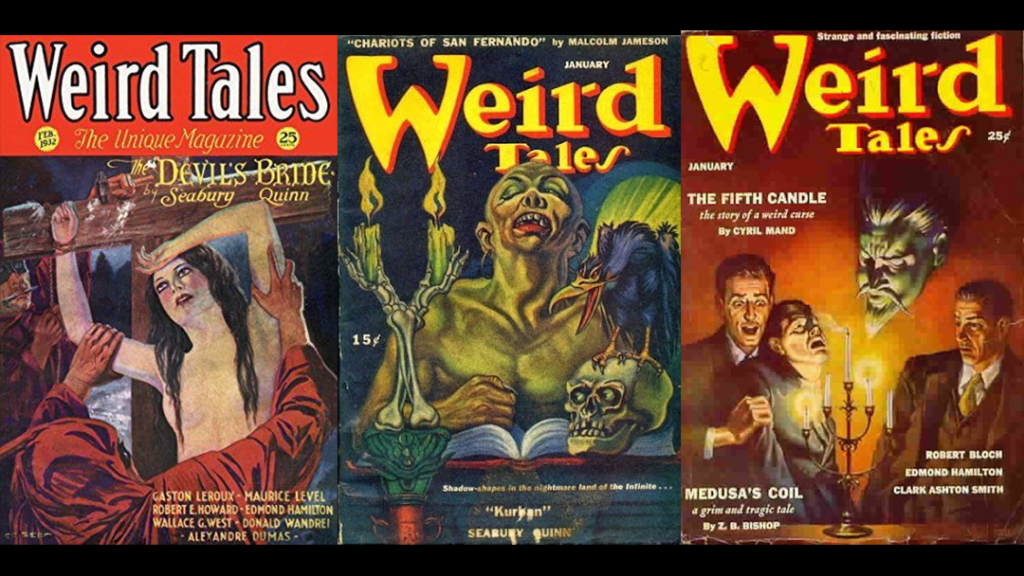
Weird Tales collected stories that didn’t fit within traditional genres, rather the ones that slipped between the cracks, that merged them into a harmonious (or chaotic) blend of multiple genres, or were in a completely different dimension than traditional genres. They were unique. They were speculative, weird, wacky, scary, funny, slimy, futuristic, commentaries, terrifying, humbling, exciting stories – and Weird Tales was the nexus for their development.
Due to the nature of how Weird Fiction was conceived, it is therefore difficult to pin the genre down with an overarching definition. The point of Weird Fiction is to defy definition. Anytime a definition has begun to form over the years, someone has taken and challenged it with a new story that resists all previous forms of classification.
Oftentimes, Weird Fiction is open to interpretation. Each reader or viewer will take something different away or focus on a separate thing that others may not have noticed or even considered. Take John Carpenter’s The Thing (1982) for example, one viewer may see it as a horror film, another a science fiction film, and a third may see it as a science fiction horror film. Ask each of these viewers why they classify the film this way and you’ll likely receive three very different answers. When narrowing it down to the Thing itself, there are going to be just as many different reasons viewers will find it scary: the thing can shapeshift, the characters are isolated and alone with it, and you don’t know whom to trust because of it, the thing is horrifying to look at, there is a lot of gore when the thing is onscreen, the list goes on.
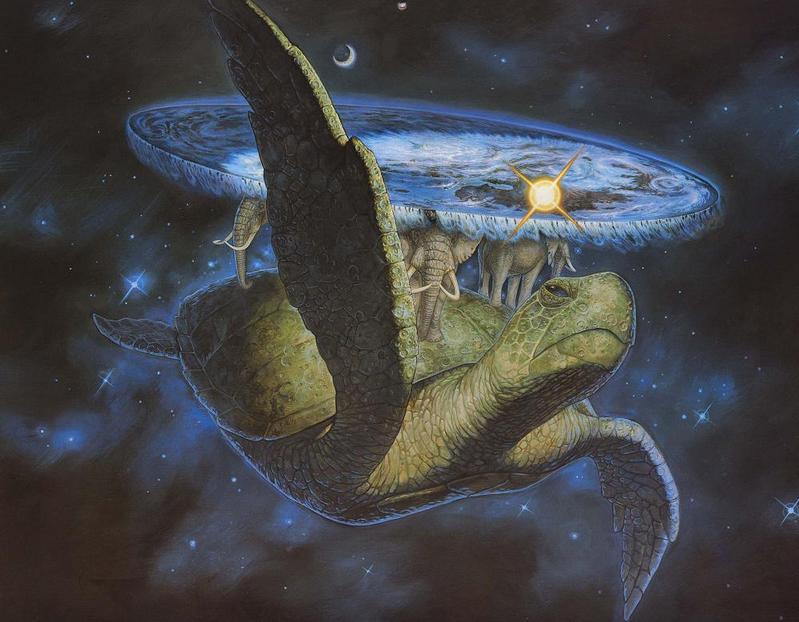
Now if we change the tone a bit and consider each person’s reading experience of Terry Pratchett’s Discworld series, you will also find many different opinions on how to describe and classify it. Some may think of it as a comedy, others strictly fantasy, another may think of it as science fiction and one more may think of it as alternate reality/history. There are so many ways we might define Discworld and because of this, it is impossible to agree on just one definition. The more ways in which you can describe a story, the more likely it is going to be a Weird one.
Difference between Speculative and Weird
Speculative Fiction is an umbrella term for fiction that possess any or all of the following:
- Fantasy
- Science fiction
- Horror
- Alternative history
On the surface level, Speculative and Weird Fiction may appear the same. Neither conforms to one traditional genre and often reimagines traditional monsters, places or people into something new. The difference is that Speculative Fiction has a degree of possibility to it, there is a chance that, given the right circumstance, the events of the story could take place. Weird Fiction can do this too, only there is the added ingredient of … well, weirdness that is often not or unable to be explained.
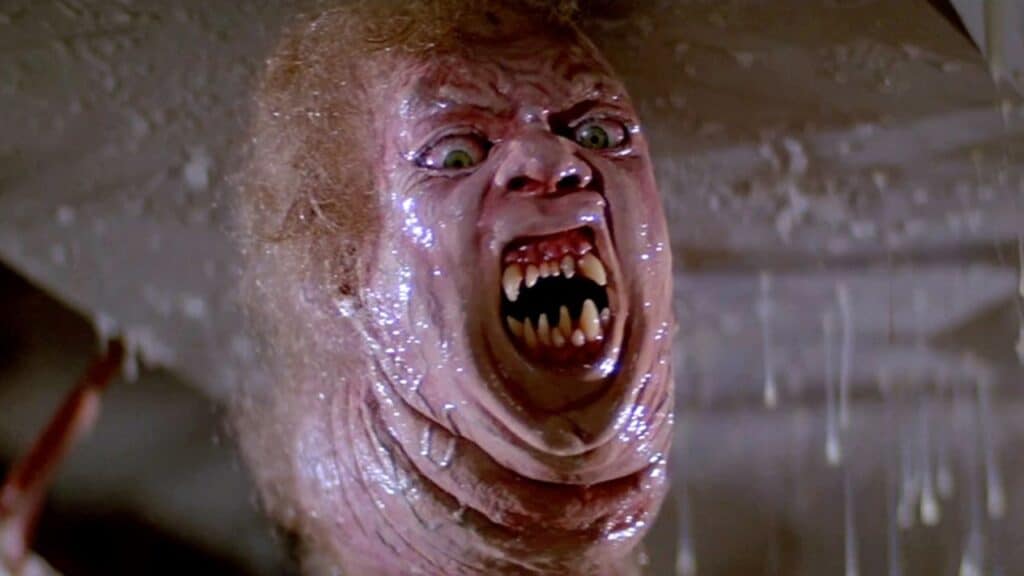
Carpenter’s monster, The Thing, is more than just speculative, it is Weird because it is unexplainable. There is no clear-cut way to defeat it, identify it or even think of it. The Thing’s form changes each time we see it. It doesn’t adhere to the laws of nature or reason and is all the more terrifying because of it.
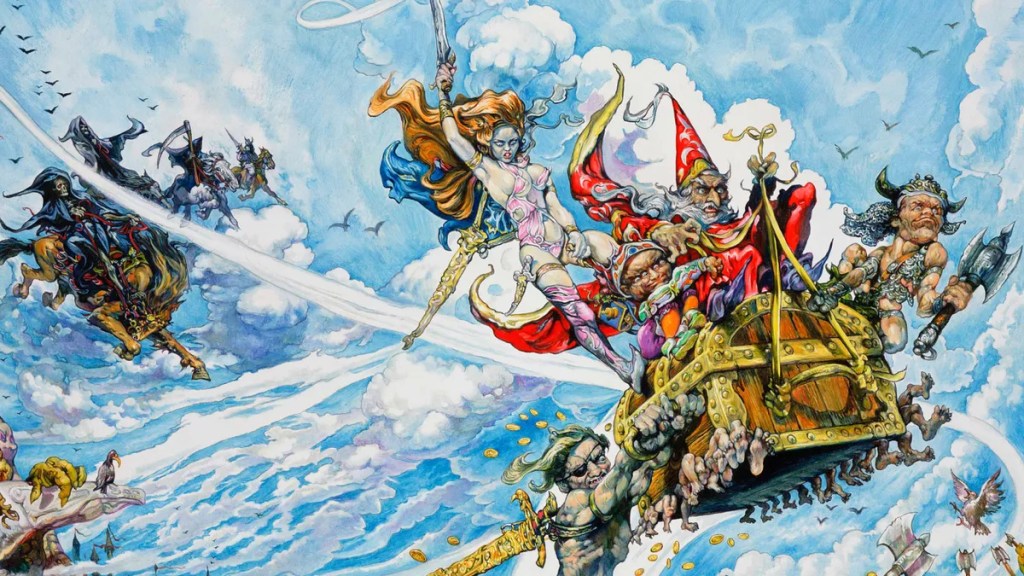
Pratchett’s narrator never discloses how they know about how reality and world, as well as the Discworld one. In fact, they often admit they don’t know how or why or when or who things are the way they are in Discworld, including a wooden chest with one hundred legs that manages to look at you a certain way, despite it not actually having a face with which to emote.
Whether it’s silly or terrifying, Weird Fiction usually has an ineffability about it that rejects traditional conventions and forms of classification. It is designed to sit outside reason and disrupt the comfortable. Like a girl with eyeballs for teeth and teeth instead of eyeballs, or a slumbering god in the depths of the ocean who sends any who look upon it mad, the intrigue comes in not knowing why or how. In today’s society, where we know so much and anything we don’t know is a quick search at the tips of our fingers, we could use a little more of the unknown. We could use a little more Weird.
 Emily Morrison
Leave a comment